Ruba Amjad
Humanitys push to check out the cosmos started way back with folks just staring at the stars. It grew into landing on the Moon. And now we send probes right to the solar systems edge. This blog goes through that wild history of space exploration. It points out the big moments. And it shows that nonstop urge to figure out the universes secrets.
Early Visions of the Cosmos
From Stargazing to Rocketry
Space explorations roots go back hundreds of years. They mix plain old curiosity with real scientific steps forward.
Ancient Astronomy. Civilizations like the Greeks and Chinese charted out constellations. They set up the basics for getting the cosmos.
Galileos Breakthrough. Back in the 17th century. Galileos telescope showed Jupiters moons. That shook up the idea that Earth sat at the center of everything.
Tsiolkovskys Vision. In the late 19th and early 20th centuries. Konstantin Tsiolkovsky came up with rocketry equations. They gave the brainpower behind space travel. He even said. The Earth is the cradle of humanity. But mankind cannot stay in the cradle forever.
The Space Race Era
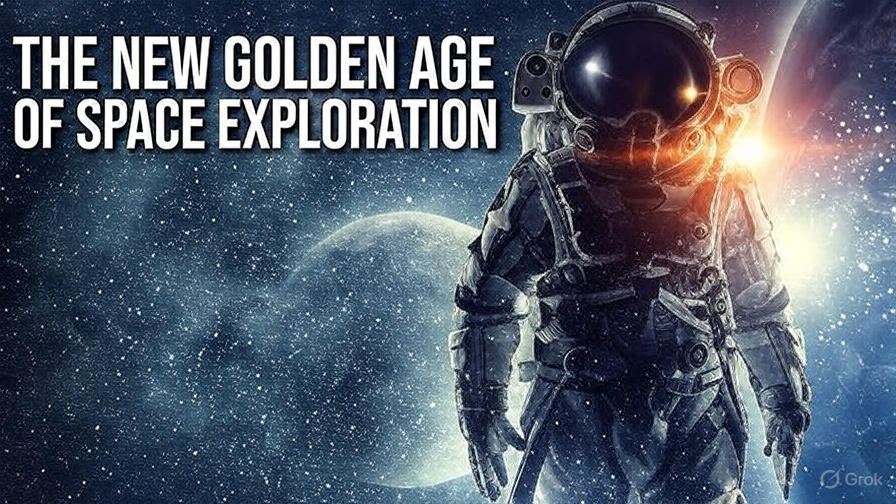
Cold War Fuels Cosmic Ambition
Mid-20th century stuff took space exploration to a whole new level. It was all pushed by that U.S. Soviet rivalry in the Cold War. You know. Tensions on Earth lit a fire under the stars.
- Sputniks Triumph. The Soviet Union shot up Sputnik 1. That was the first artificial satellite. It happened on October 4. 1957. And it kicked off the Space Age for good.
- First Human in Space. Yuri Gagarin went around Earth in Vostok 1. Then Alan Shepard did a quick suborbital hop on Freedom 7.
- Moon Landing. NASAs Apollo 11 hit President Kennedys target. Neil Armstrong and Buzz Aldrin stepped onto the Moon. They dropped that famous line. One small step for man. One giant leap for mankind.
Robotic Explorers and Deep Space
Probing the Solar SystemThose uncrewed missions stretched our reach way out. They uncovered all sorts of amazing stuff on far-off planets. I mean. Robots doing the hard work without people.
1970s. Pioneer and Voyager. NASAs Pioneer and Voyager probes snapped pictures of Jupiter. Saturn. And even farther spots. Voyager 1 and 2 got launched in 1977. They are still beaming back info from interstellar space. Pretty wild.
- Viking on Mars. The Viking 1 lander was the first spacecraft to actually work on Mars. It cleared the path for later rovers. Like Curiosity and Perseverance.
Space Shuttles and Global Cooperation
Building a Presence in Orbit
Late 20th century brought in reusable spacecraft. And teams from different countries working together. It was a shift. From solo runs to group efforts.
1980s. Space Shuttle Program. NASAs shuttles were meant to make space trips normal. Everyday almost. But there were rough patches. Like the Challenger disaster in 1986. And Columbia in 2003.
- International Space Station. The ISS came from teamwork between the U.S. Russia. Europe. Japan. And Canada. It turned into a main spot for science experiments. And a symbol of folks uniting across borders.
The New Space Age. Private Ventures
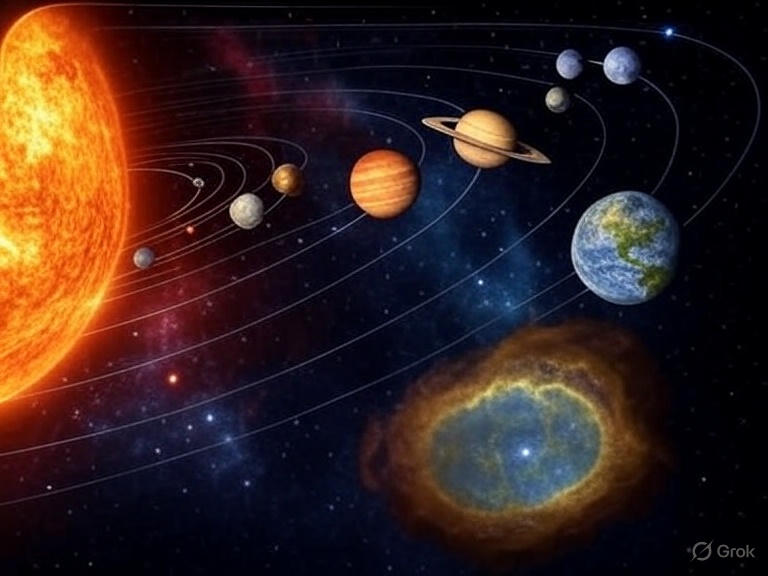
Commercializing the Cosmos
21st century flipped things with private outfits jumping in. They changed how we think about space. Making it less government only. More business like.
SpaceXs Revolution. Elon Musk started SpaceX. Their reusable Falcon 9 rockets. And Crew Dragon missions. The first one with people hit in 2020. All that redefined getting to space. Basically. Cheaper and more often.
Space Tourism. Outfits like Blue Origin and Virgin Galactic. They are opening up suborbital flights for regular people. Civilians hopping up there. It is cracking the door to real commercial space trips.
Looking Ahead. The Next Frontier
Mars. The Moon. And Beyond
Space explorations future looks packed with chances. Exciting stuff on the way. If we can pull it off.
Artemis Program. NASA wants humans back on the Moon by 2026. They aim for bases that last. Sustainable spots up there.
Mars Missions. Teams worldwide are gunning for the Red Planet. Like Chinas Tianwen-1. And the UAEs Hope Probe.
Cosmic Discovery. The James Webb Space Telescope launched in 2021. It is digging into the universes beginnings. Hunting for answers to the big questions. You know. Where did it all come from.
Challenges on the Horizon
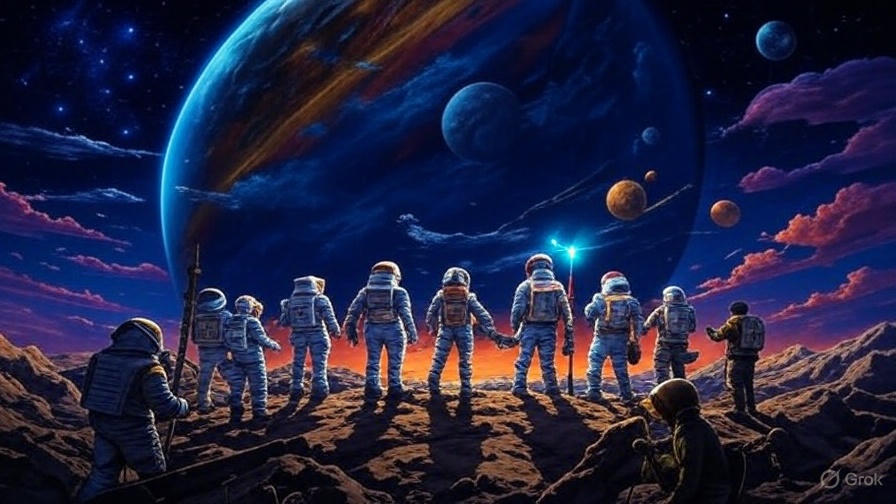
Navigating the Future
Space exploration has some tough roadblocks ahead. We have got to tackle them head on.
Technical Hurdles. Building tech that holds up for super long missions. That is still a big challenge. Not easy stuff.
Financial Costs. These missions cost a ton. They stretch budgets thin. So we need fresh ways to fund it all.
Ethical Concerns. Things like space junk piling up. And launch impacts on the environment. They call for some serious thought. Careful planning anyway.